The Industrial Living Room Edit
A complete industrial living room, rendered as one real shoppable scene — the exact 4 pieces, why each one works, and the layout rules that make them read as a designed room.
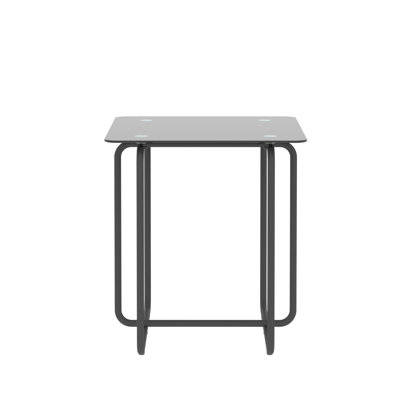
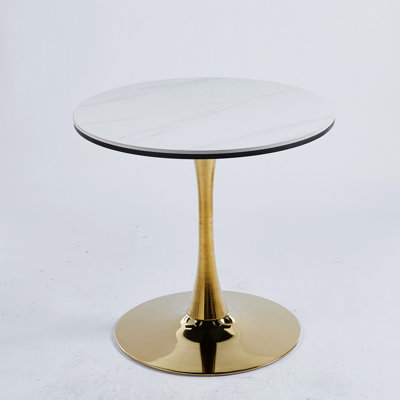
Define the Aesthetic with Structural Foundations An industrial living room thrives on raw, unpolished materials and clean lines. Begin by anchoring the space with furniture that emphasizes exposed frameworks and utilitarian details. The **Creach Coffee Table**—a round, small metal table—serves as a perfect centerpiece, its circular form balancing the room’s angularity while its powder-coated steel base adds a tactile, industrial edge. Pair it with the **Shanee Coffee Table**, a square, low-profile metal table, to create a dynamic duality: the former’s soft curves contrast the latter’s rigid geometry. Position them 36–42 inches apart to allow for easy movement, ensuring the tables don’t overwhelm the space. Both pieces, priced under $300, offer a cost-effective way to introduce industrial minimalism without sacrificing quality.
Layer Materials for Textural Depth Industrial design isn’t about coldness—it’s about juxtaposing textures to create warmth. The **Cre Cra Round Side Table** exemplifies this philosophy. Its marble top, paired with a brushed-metal base, introduces a refined contrast to the room’s otherwise rugged palette. Place it 18–24 inches from the sofa’s edge, allowing the table’s 24-inch diameter to complement the seating without encroaching on it. Use the table’s surface for decorative objects: a single ceramic vase or a stack of leather-bound books. The marble’s coolness offsets the metal’s industrial feel, while the table’s $163 price point makes it a practical anchor for a cohesive look.
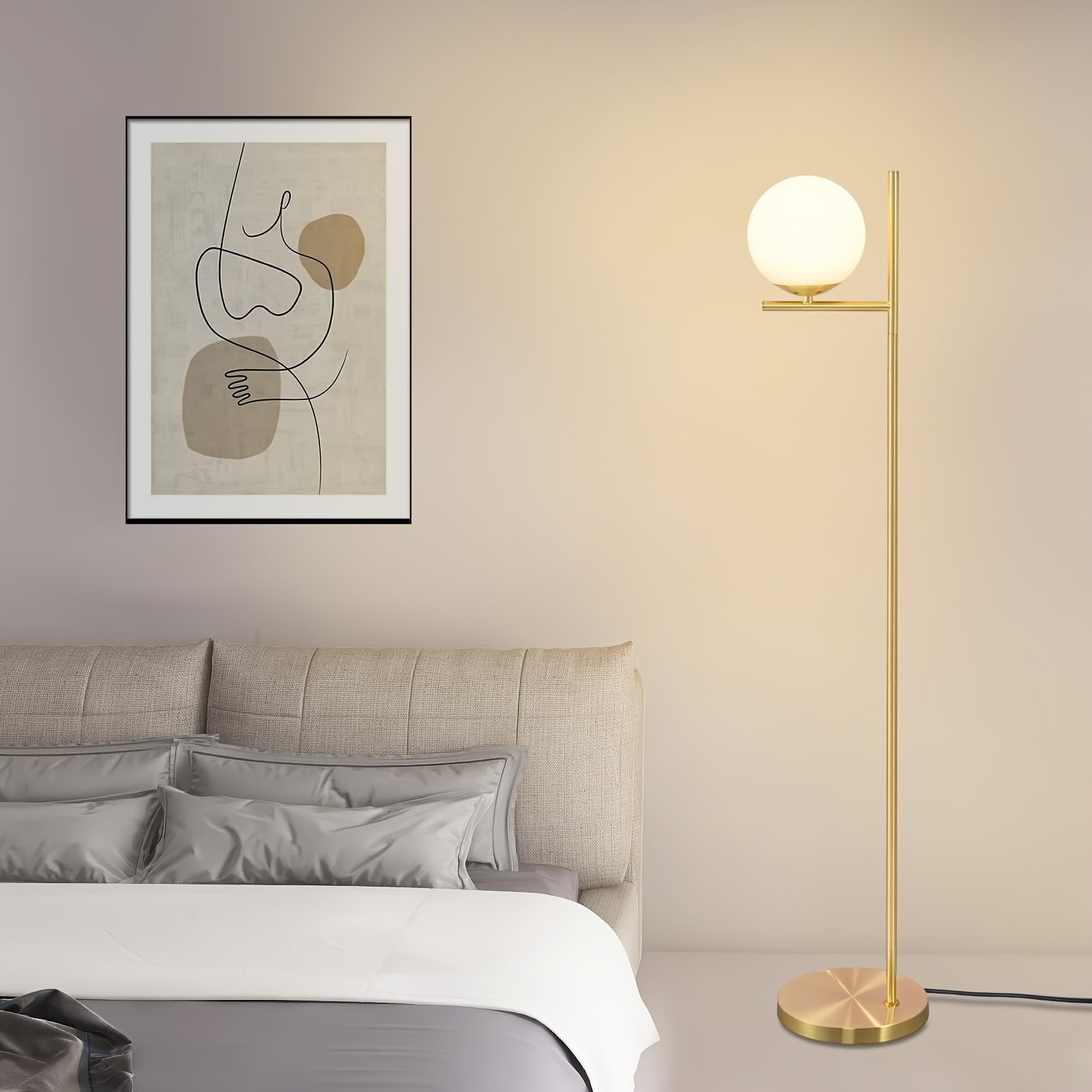
Lighting as a Functional Statement Lighting in industrial spaces should merge utility with design. The **TEMU Floor Lamp**—with its white glass shade and E27 base—offers a vintage-meets-modern silhouette that fits seamlessly into the room. Its foot-switch feature eliminates the need for wall-mounted controls, preserving the room’s open, uncluttered vibe. Position it 48–54 inches from the corner, casting soft light across the **Creach Coffee Table** and highlighting the textures of the **Cre Cra Side Table**. The lamp’s $59 price tag makes it an accessible way to add height and sophistication; its white glass diffuses light evenly, avoiding the harsh glare of bare bulbs.
Balance Scale and Proportion Industrial spaces can feel stark if not balanced thoughtfully. Use the **Shanee Coffee Table** as a grounding element near the room’s focal point—say, a built-in media wall or a large window. Its square shape and low height (under 18 inches) keep the space from feeling cluttered. The **Creach Coffee Table**, with its round form, can be placed closer to seating areas where curves invite relaxation. Maintain a 3:2 ratio between the sizes of the two tables to avoid visual dissonance. For color, stick to a monochrome base—charcoal, slate, or steel tones—and let the furniture’s finishes (matte metal, glossy marble) act as the room’s chromatic punctuation.
Final Notes on Layout and Flow Avoid overcrowding by leaving 24–30 inches of clear space between furniture pieces. The **Cre Cra Side Table** should be within arm’s reach of seating, but not so close that it feels cramped. Use the **TEMU Floor Lamp** to delineate zones: its light can subtly separate conversation areas from pathways. Let the metal tables and lamp’s reflective surfaces amplify natural light during the day, then rely on the lamp’s warm glow as evening sets in. This approach ensures the room feels both lived-in and intentional—industrial, but never austere.
See the room
[Step inside the shoppable room this guide is built on →](/room/industrial-living-room-3) — every hotspot in the scene is one of the pieces below.
Shop this guide
Ebern Designs
Shanee Coffee Table Square Coffee Table Small Coffee Table Metal Coffee Table Living Room Table
🕓 Added Aug 2, 2026, 3:12 AM
Shop at Wayfair North America →
George Oliver
Creach Coffee Table Round Coffee Table Small Coffee Table Metal Coffee Table
🕓 Added Aug 2, 2026, 3:12 AM
Shop at Wayfair North America →