Shop the Look: A Mid Century Dining
A complete mid century dining, rendered as one real shoppable scene — the exact 4 pieces, why each one works, and the layout rules that make them read as a designed room.
Choosing the Right Table: Balancing Design and Function
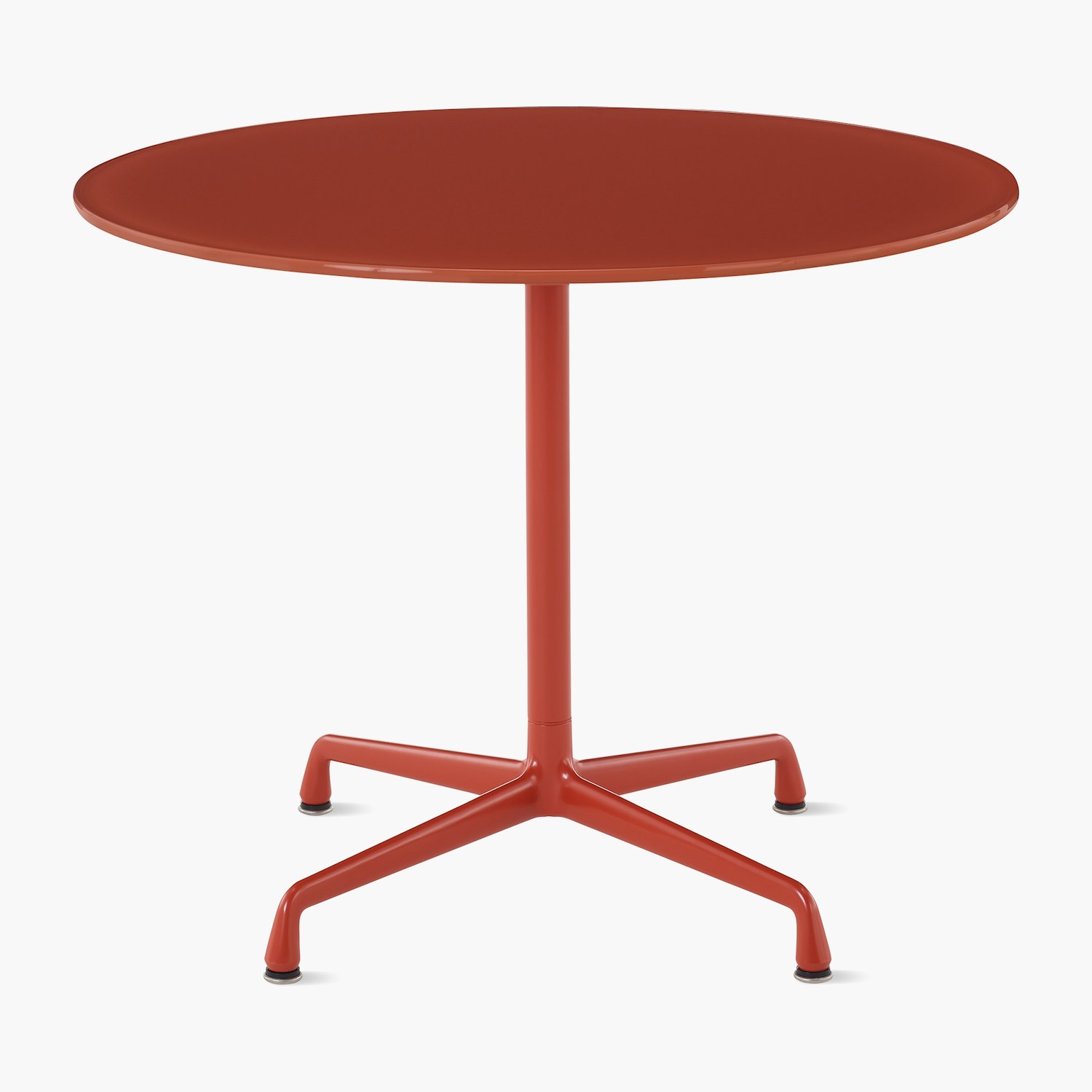
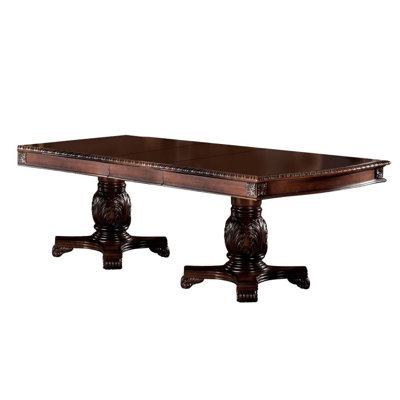
A mid-century dining room hinges on the table’s presence. The Eames Dining Table, crafted by Herman Miller x HAY, stands as a design icon, with its clean lines and iconic molded plastic bases. Opt for the Iron Red variant at Design Within Reach for a bold, modern twist—its deep hue anchors the room without overwhelming it. For a more traditional mid-century feel, the De Ville Dining Table offers a wood-grain warmth at a lower price point. Its rectangular shape and solid construction make it ideal for families, while its minimalist profile allows it to sit comfortably in smaller spaces. Note that the Eames tables, at 84 inches in length, require ample clearance: 36 inches between the table and walls, and 24 inches between chairs and the table edge, per ADA guidelines. If your space is tight, consider the De Ville’s slightly narrower dimensions, which still maintain a grand presence.
Material and Color Logic: Harmonizing Textures and Tones
Mid-century modern design thrives on contrast. The Eames table’s combination of steel legs and molded plastic—available in classic black or the striking Iron Red—creates a dynamic interplay of materials. Pair it with neutral upholstery, like a cream linen or charcoal velvet, to let the table’s boldness shine. For the De Ville, its solid wood top and natural finish demand a complementary palette: earthy tones like oak or walnut work best, but don’t shy from a pop of color in chairs or textiles. A mustard-yellow chair or a cobalt-blue runner can add vitality without clashing. If you’re layering multiple Eames tables (e.g., one as a main table and a smaller one as a sideboard), ensure their finishes align—matching the Iron Red across pieces reinforces cohesion, while varying tones can create a curated, eclectic look.
Layout and Proportions: Arranging for Flow and Impact
Scale is critical. The Eames table’s 84-inch length works best with 4–6 chairs, spaced 24 inches apart for ease of movement. Avoid overcrowding; leave at least 36 inches between the table and adjacent walls to prevent visual claustrophobia. For a dramatic effect, position the De Ville table against a wall with a built-in credenza or floating shelf, creating a seamless continuation of surface space. If your room has a vaulted ceiling, consider a pendant light—like a saucer-shaped or drum-style fixture—to draw the eye upward and balance the table’s horizontal mass. For smaller spaces, the Eames’s slender base (12 inches in height) minimizes visual bulk, while the De Ville’s sturdier legs offer a more grounded, traditional feel.
Accessorizing with Mid-Century Flair: Textiles, Lighting, and Details
Accessories
See the room
[Step inside the shoppable room this guide is built on →](/room/mid-century-dining) — every hotspot in the scene is one of the pieces below.
Shop this guide
De Ville Dining Table, Wood Dining Table, Rectangle Dining Table, Mid Century Modern Dining Table
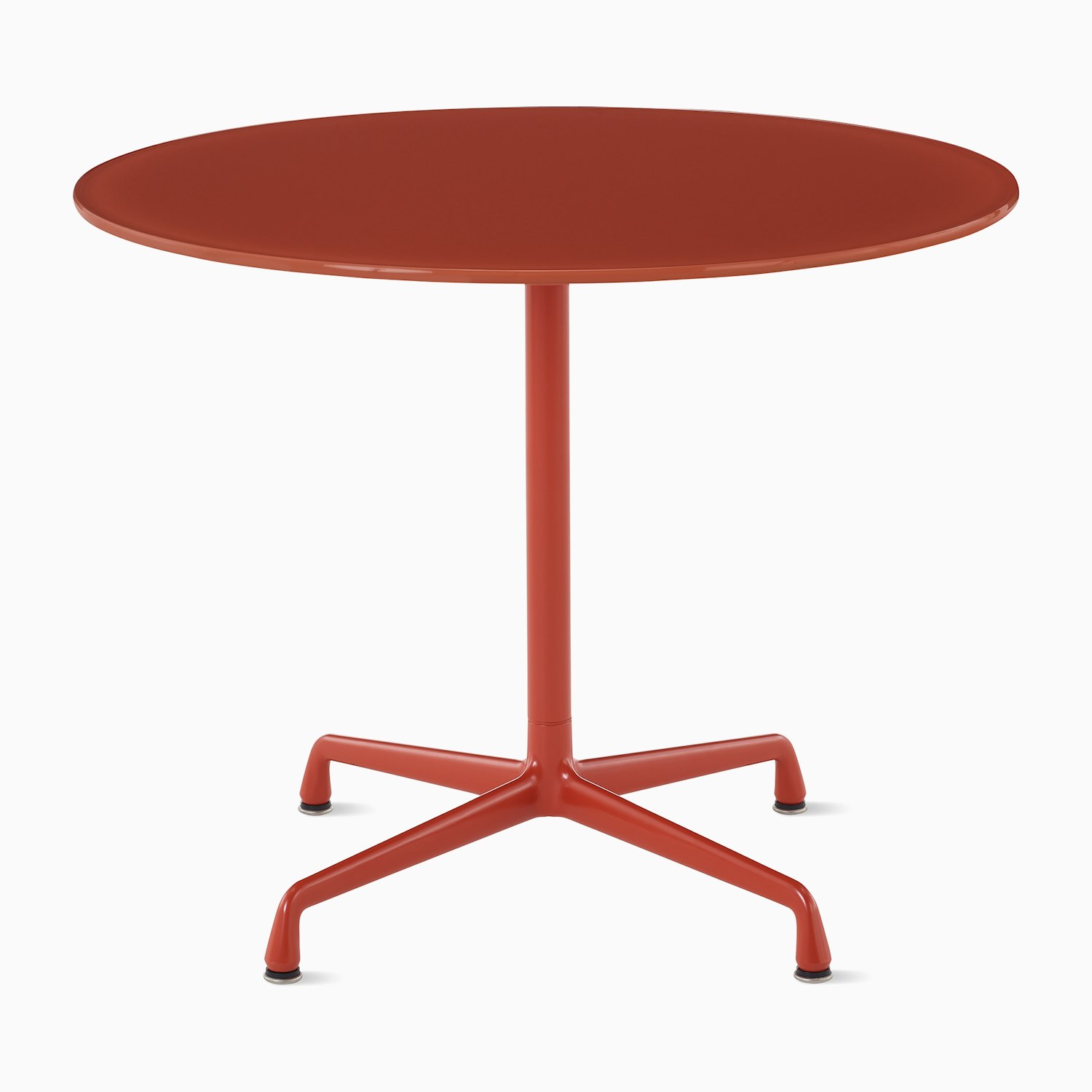
Eames Dining Table, Herman Miller x HAY
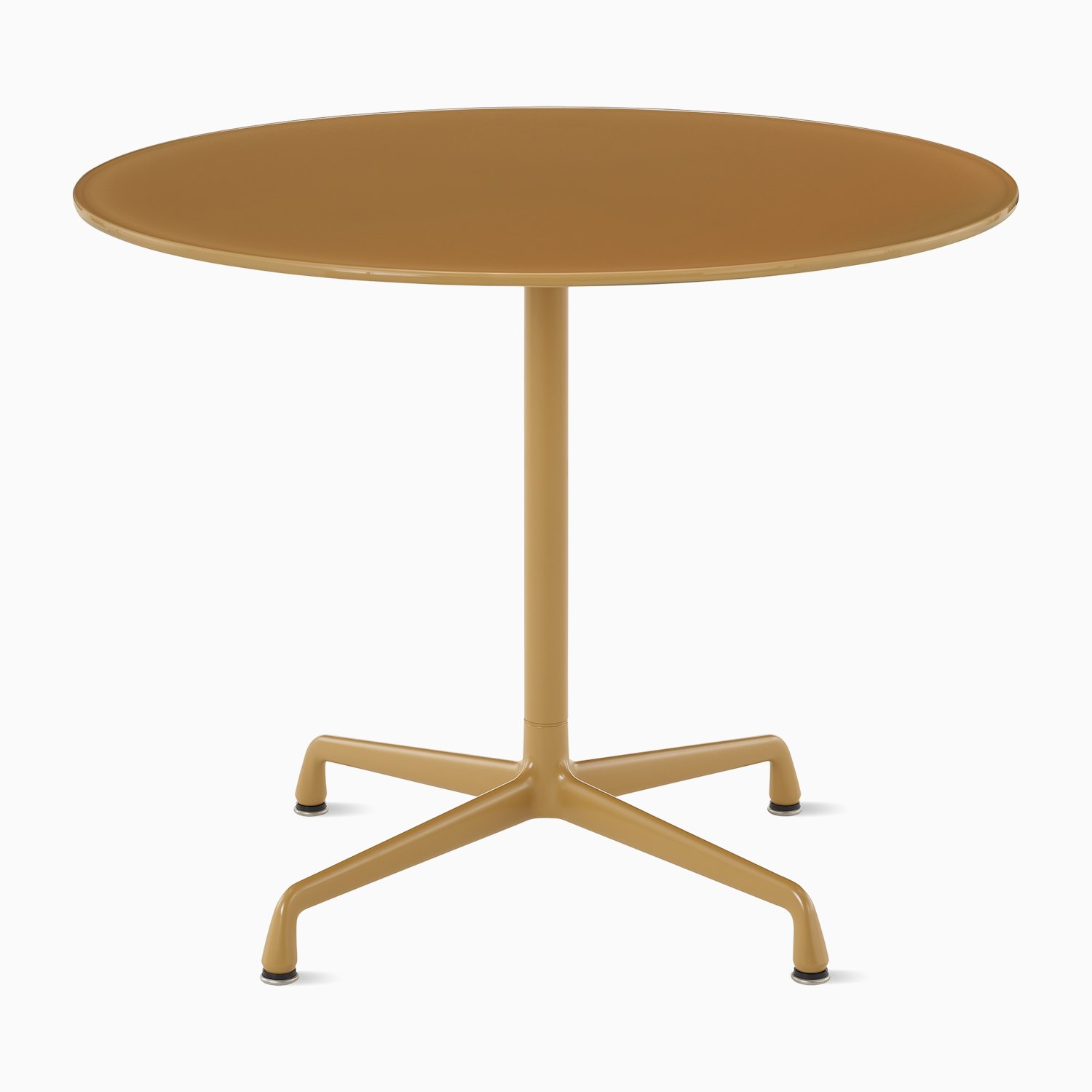
Eames Dining Table, Herman Miller x HAY